 419-227-8742
 twistedbars@aol.com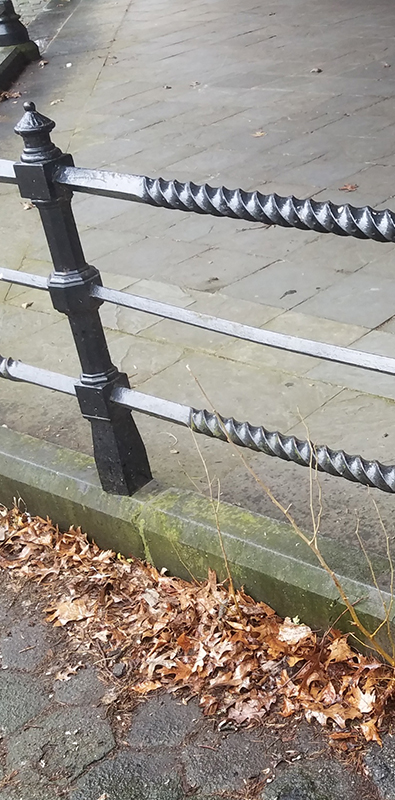
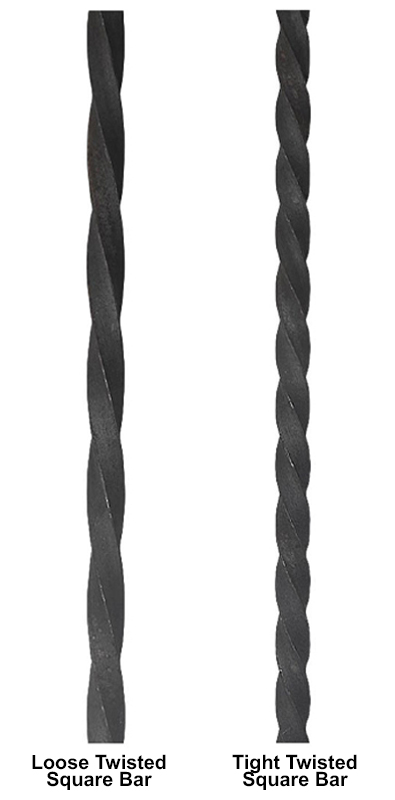
Twisted Square Bars
Twisted square bars offer a classic forged appearance with crisp edges and a continuous spiral that adds depth and movement. They’re a refined yet eye-catching component used in railings, gates, and custom fabrication projects.
- Material options of Aluminum, Steel, Iron, Bronze, Brass
- Multiple sizes available up to 2″ Square
- Used in railings, gates, and structural metalwork
- Custom twist profiles & lengths available
- Supplied raw, ready for paint or powder coating
- 100% Made in the USA
Need pricing or product guidance?
Request a quote and our team will help you find exactly what you’re looking for, including custom sizes and configurations.
Anchoring Architectural Designs with Purpose and Precision Using Twisted Square Bars
Architectural and decorative metalwork relies on components that establish alignment, rhythm, and visual weight across a project. Manufactured from solid metal stock, Twisted Square Bars provide a stable profile that supports both structure and ornamentation in a wide range of applications. Whether used as primary elements or supporting details, they help define form without overpowering surrounding components.
In contemporary fabrication environments, designers often rely on repeatable geometry to maintain consistency. For that reason, Twisted Square Bars are commonly specified where long-term dimensional stability is required across interior and exterior installations.
Where Square Twisted Bar Components Are Commonly Used
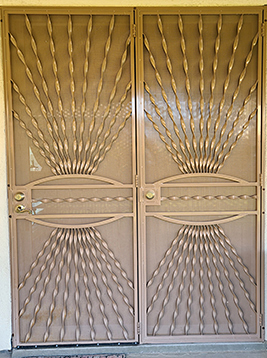
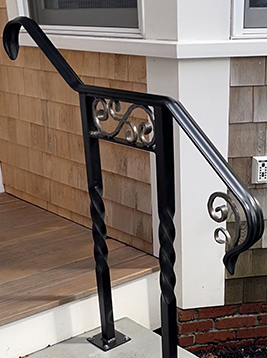
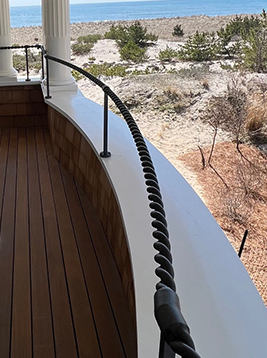
Across architectural and ornamental projects, Square Twisted Bar components appear wherever strength and controlled visual movement are needed. Window grilles, entry gates, patio railings, balcony infill, fencing panels, and custom partitions all benefit from this profile. In many of these assemblies, Twisted Square Bars help establish spacing while keeping the design visually open.
Because of their repeatability, a Square Twisted Bar is often used as a reference element, allowing surrounding components to remain aligned and proportional throughout the build.
Structural Placement and Functional Demand
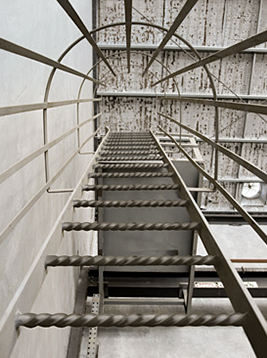
Component selection plays a direct role in how an assembly performs over time. When used as repeating vertical or horizontal elements, Twisted Square Bars help manage load while maintaining consistent sightlines. Their geometry supports clean alignment across larger sections without introducing unnecessary visual complexity.
In coordinated layouts, a Square Twisted Bar reinforces structure by supporting adjacent components rather than competing with them for attention.
Design Influence of Twisted Square Bars
From a visual standpoint, Twisted Square Bars introduce depth through subtle surface rotation while preserving a clean square silhouette. This balance allows the profile to work across traditional and contemporary design languages. In more expressive compositions, a Decorative Twisted Square Bar can add character without disrupting overall harmony.
When used intentionally, a Decorative Twisted Square Bar helps repeated elements feel cohesive, turning individual parts into a unified architectural statement.
Material and Finish Considerations
Bars are produced from solid stock to maintain straightness and proportional clarity across varied applications. Common Twisted Square Bars material options include aluminum, steel, iron, stainless steel, bronze, and brass—each selected based on project requirements, visual goals, and fabrication approach. This range allows a Square Twisted Bar to remain consistent in proportion while adapting to different build contexts and environmental needs.
A Twisted Square Metal Bar retains its geometry as surface treatments are applied, which is especially important in projects with repeating patterns or long runs. Finishes are typically applied later in the workflow. Whether coated, painted, or otherwise treated, a Twisted Square Metal Bar adapts visually while maintaining alignment and definition.
Installation Context and System Compatibility
Successful assemblies are planned as systems rather than collections of parts. Twisted Square Bars integrate cleanly with complementary components such as Textured Square Bars, flat bars, Hammered Square Bars, round bars, Wood Grain Square Bars, collars, baskets, and other decorative elements. This compatibility allows fabricators to build cohesive designs without visual interruption.
When transitions are aligned properly, a Twisted Square Metal Bar supports visual flow while preserving consistent spacing across the project.
Ordering and Project Quotes
These components are specified based on project requirements rather than generic assumptions. Quotes account for length, quantity, and intended use to ensure fabrication details match the application. In larger or more complex assemblies, a Square Twisted Bar may be designated as a primary visual or structural element to maintain continuity.
Despite their precision, most orders are produced efficiently, supporting timelines that align with active fabrication and installation schedules.
Who These Components Are For
These bars are well suited for homeowners, designers, and fabricators seeking versatile components with both structural reliability and visual character. When paired with compatible elements, Twisted Square Bars help projects feel intentional, balanced, and professionally resolved.
At Twisted Bars, these components are developed as part of a broader family of Twisted Bar components, these profiles support a wide range of architectural and ornamental applications while remaining adaptable across styles and environments.