
 419-227-8742
 twistedbars@aol.com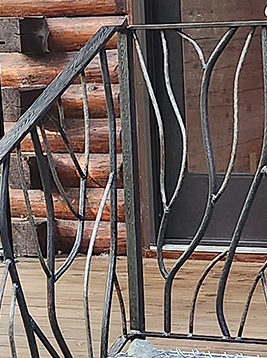
Wood grain square bars combining the strength of metal with the natural look of real wood.
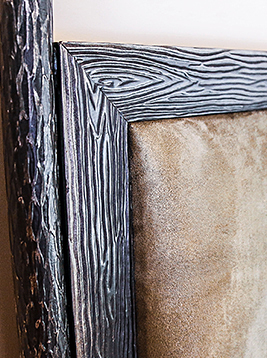
Wood grain flat bars offering the clean lines of metal with authentic wood-inspired texture.
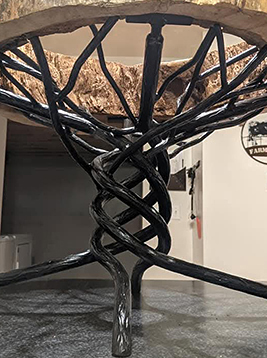
Wood grain round bars delivering smooth profiles with the warmth of natural wood texture.
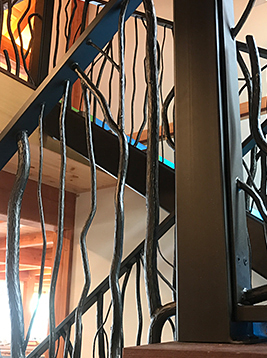
Wood grain balusters designed to bring the look of wood with the strength of metal.
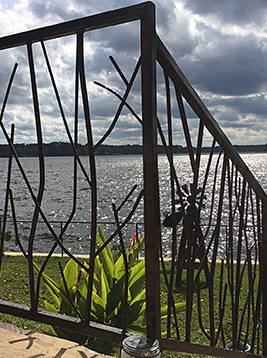
Wood grain spindles offering classic wood aesthetics with superior metal durability.
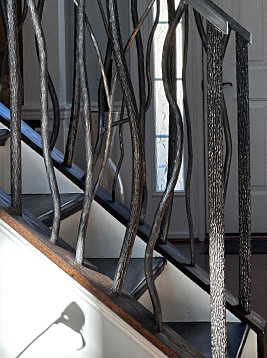
Wood grain newel posts crafted to anchor stair systems with natural style and metal strength.
Need pricing or product guidance?
Request a quote and our team will help you find exactly what you’re looking for, including custom sizes and configurations.
Wood Grain Bars as Natural-Appearance Components in Architectural Metal Systems
Wood Grain Bars are defined by surface patterns that replicate the visual character of natural wood while preserving the dimensional precision of metal components. Manufactured from solid metal stock, these bars provide organic texture and visual warmth without introducing the variability, movement, or maintenance concerns associated with real wood materials.
Used across architectural and decorative metal systems, Wood Grain Bars allow designers and fabricators to achieve a natural appearance while maintaining consistent geometry, alignment, and repeatable performance. The result is a surface-driven solution that bridges traditional aesthetics and modern fabrication requirements.
The Role of Wood Grain Metal Bars in Metalwork Applications
At a functional level, Wood Grain Metal Bars perform the same structural roles as smooth or textured bar profiles—maintaining spacing, alignment, and predictable attachment across an assembly. Their distinction lies in surface character, which softens rigid lines and introduces depth without altering proportions.
Because of this balance, Wood Grain Bar Stock is selected intentionally as part of a coordinated system rather than as a decorative afterthought. It allows wood-inspired surface detail to be carried consistently across a project while preserving fabrication clarity and installation efficiency.
Wood Grain Bar Stock as Structural and Visual Elements
As linear components, Wood Grain Bar Stock supports both structure and visual rhythm. When proportioned correctly, wood grain bars reinforce surrounding elements by guiding spacing and continuity rather than competing for attention. This makes them especially effective in systems where surface detail must remain controlled and repeatable.
In projects where cohesion matters, wood grain bars help maintain a unified surface language even as profiles, layouts, or applications change.
Design Influence Beyond Surface Pattern
While surface texture defines the category, Decorative Wood Grain Bars contribute more than appearance alone. The interaction between grain pattern and light creates depth that subtly shifts a design’s tone—from clean and architectural to warm and expressive—without requiring complex detailing.
Some wood grain bars are used quietly, blending into the overall system. Others are introduced selectively to emphasize transitions or focal areas while remaining visually integrated.
Material Consistency and Fabrication Approach
All wood grain profiles are produced from solid metal stock to ensure straightness and dimensional stability. Aluminum, steel, iron, bronze, and brass are commonly used, each supporting wood grain patterning while maintaining structural clarity and predictable fabrication behavior.
Rather than dictating a finished appearance, metal construction allows wood grain components to be refined as part of the broader project workflow. Finishes are typically applied later to coordinate with surrounding elements while preserving alignment and proportion.
Types of Wood Grain Components by Profile and Application
Because wood grain components are defined by surface profiles rather than a single form, different profiles and component types are used to address specific structural and design roles. Each category below represents a focused application, with detailed guidance available on its respective page. All options are developed to integrate within a unified system rather than function in isolation.
Wood Grain Square Bars
Wood grain square bars combine clean, angular geometry with wood-inspired surface patterning. Their profile reinforces architectural order while introducing subtle warmth and depth.
Wood Grain Flat Bars
Wood grain flat bars provide a wider face and stronger surface presence. This profile is well suited for panels, screens, and infill where spacing control and surface definition are priorities.
Wood Grain Round Bars
Wood grain round bars feature continuous cylindrical geometry softened by organic grain texture. Often described as tree branch–style bars, they promote visual flow while maintaining dimensional consistency.
Wood Grain Balusters
Wood grain balusters serve as vertical infill components that manage spacing while maintaining openness. The wood grain surface adds character without disrupting alignment or rhythm.
Wood Grain Spindles
Wood grain spindles provide slender vertical infill with refined surface detail. Their proportions support visual continuity while introducing subtle natural pattern across a system.
Wood Grain Newel Posts
Wood grain newel posts function as anchor components within a system, defining transitions and stabilizing connected elements. Surface patterning adds visual emphasis while preserving structural clarity.
System Compatibility and Component Integration
Effective architectural metal systems depend on coordination between components. Wood Grain Bars are designed to integrate cleanly with Twisted Bars, balusters, Textured Bars, spindles, Hammered Bars, newel posts, collars, and decorative details—ensuring alignment and proportion throughout the assembly.
This system-based approach allows natural surface character to be introduced selectively while maintaining overall structural and visual cohesion.
Selecting the Right Wood Grain Bars for Your Project
Choosing the appropriate wood grain profile involves balancing surface expression with functional requirements. Considerations such as profile shape, application context, material selection, and overall system layout all influence the final specification.
By understanding how different Wood Grain Metal Bars and related components function within a broader system, it becomes easier to select elements that support both performance and architectural intent.
Ordering and Project Quotes
These components are specified based on project requirements rather than generic assumptions. Quotes account for profile selection, length, quantity, and intended application to ensure fabrication details align with the broader system design. In projects that mix multiple profiles, Wood Grain Bars may be designated as primary repeating elements to maintain consistent surface character across the installation.
Despite their precision, most orders are produced efficiently, supporting timelines that align with active fabrication and installation schedules.
Built to Integrate Across the Wood Grain Bars Family
At Twisted Bars, wood grain profiles are developed as part of a coordinated family. Whether a project calls for square precision, flat surface presence, round continuity, or wood-inspired infill and anchors, each option is designed to integrate seamlessly within the broader system.
This approach makes it possible to build architectural metalwork that feels intentional, consistent, and visually refined—without sacrificing flexibility or structural clarity.