
 419-227-8742
 twistedbars@aol.com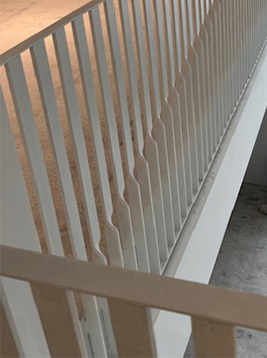
Aluminum balusters designed for lightweight durability, corrosion resistance, and modern railing systems.
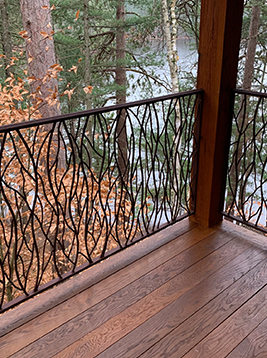
Deck balusters engineered for outdoor durability, structural strength, and clean architectural style.
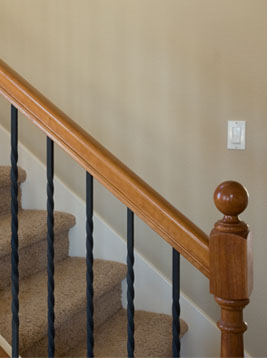
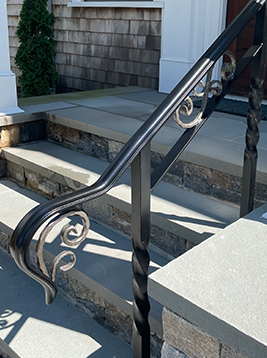
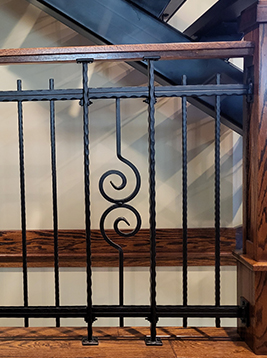
Railing balusters designed to provide structural support and refined architectural detail.
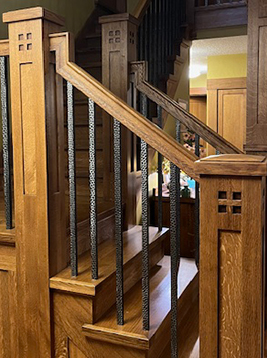
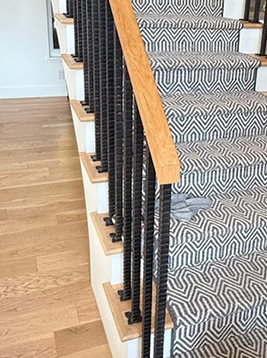
Wrought iron balusters designed for timeless elegance and structural durability.
Need pricing or product guidance?
Request a quote and our team will help you find exactly what you’re looking for, including custom sizes and configurations.
Balusters as Foundational Elements in Architectural Guard and Railing Systems
Balusters function as vertical infill components that define spacing, safety, and visual rhythm across stairways, railings, decks, porches, and guard assemblies. Manufactured from solid metal stock, these components provide predictable alignment and dimensional stability in both interior and exterior environments.
Used across residential and architectural applications, Baluster Components allow systems to remain open while maintaining disciplined geometry. Their repeatable form makes balusters a core structural and visual element within coordinated architectural assemblies.
The Role of Architectural Balusters in System Design
At a functional level, Architectural Balusters perform the same essential role regardless of material or application: maintaining controlled spacing while supporting secure attachment within a broader system. Their value lies in consistency, ensuring long runs, transitions, and elevation changes remain visually aligned.
Because of this reliability, balusters are specified as system components rather than decorative afterthoughts. When selected intentionally, Baluster Systems reinforce architectural order while supporting efficient fabrication and installation.
Balusters as Structural and Visual Elements
As linear vertical elements, Balusters contribute both structure and visual rhythm. Properly proportioned balusters guide the eye along rails, stair runs, and edges, reinforcing order without obstructing views or overwhelming surrounding architectural features.
In systems where cohesion matters, balusters help unify rails, posts, and adjacent components into a balanced and intentional assembly.
Design Influence Beyond Style or Material
While balusters vary by material, mounting method, and application, their influence extends beyond appearance alone. Spacing, repetition, and alignment determine whether a system feels minimal, traditional, modern, or architectural—without compromising performance.
Some Architectural Balusters are selected for restraint and clarity, while others introduce material presence or stylistic emphasis. In all cases, disciplined geometry defines their role within the system.
Material Consistency and Fabrication Approach
All balusters are produced from solid metal stock to ensure straightness, dimensional accuracy, and predictable fabrication behavior. Balusters are available in aluminum, steel, iron, brass, and bronze, allowing material selection to align with exposure conditions, structural requirements, and overall design intent.
Surface finishes are typically applied later in the project workflow. Whether coated, painted, or otherwise treated, Baluster Components retain their geometry while coordinating visually with surrounding architectural elements.
Baluster Categories by Application and Material
Aluminum Balusters
Aluminum balusters provide lightweight performance with consistent spacing and clean geometry. They are commonly used in interior and exterior systems where efficiency and corrosion resistance are priorities.
Deck Balusters
Deck balusters are designed for exterior guard systems along elevated deck edges. They balance openness, durability, and alignment in exposed environments.
Iron Balusters
Iron balusters emphasize material weight and structural presence. They are often selected for interior and exterior applications where durability and traditional character are desired.
Metal Balusters
Metal balusters represent a broad category of general-purpose vertical infill. They support a wide range of applications while maintaining architectural clarity and repeatable performance.
Railing Balusters
Railing balusters provide vertical infill along interior and exterior railing systems. Their proportions reinforce safety, rhythm, and visual continuity along guarded edges.
Stair Balusters
Stair balusters define spacing and safety along stair runs and landings. They support consistent alignment between handrails and stair structures.
Wrought Iron Balusters
Wrought iron balusters combine traditional material presence with disciplined geometry. They are commonly used in stair, railing, and exterior systems where permanence and architectural character are priorities.
Each category links to a dedicated hub with focused guidance, allowing accurate specification while maintaining compatibility across the broader baluster family.
System Compatibility and Component Integration
Effective architectural systems depend on coordination between components. Balusters integrate cleanly with handrails, Spindles, flat bars, Pickets, square bars, Newel Posts, round bars, and other related elements—ensuring alignment and proportional consistency throughout the assembly.
This system-based approach allows Baluster Systems to function as primary repeating elements or supporting infill without disrupting overall structural or visual cohesion.
Selecting the Right Balusters for Your Project
Choosing the appropriate Balusters involves balancing application context, exposure conditions, spacing requirements, mounting method, and overall design intent. Consider how baluster selection interacts with rails, posts, and surrounding architectural features.
By understanding how Architectural Balusters function within a broader system, it becomes easier to specify components that support both performance and long-term design clarity.
Ordering and Project Quotes
These components are specified based on project requirements rather than generic assumptions. Quotes account for baluster category, length, quantity, spacing, and intended application to ensure fabrication details align with real-world conditions.
With streamlined in-house production, Balusters are manufactured with short lead times, supporting efficient fabrication schedules and minimizing delays during installation.
Built to Integrate Across the Balusters Family
At Twisted Bars, balusters are developed as part of a coordinated family of architectural metal components. Whether a project calls for interior refinement, exterior durability, traditional weight, or modern restraint, each option is designed to integrate seamlessly within the broader system.
This approach makes it possible to build stair, railing, and guard assemblies that feel intentional, consistent, and professionally executed—without sacrificing flexibility or structural discipline.